









Down Syndrome and Sleep
A good night's rest is the foundation of a child's cognitive development, mood regulation, and physical health. However, for children with Down syndrome, achieving restorative sleep is often a nightly struggle. Research shows that up to 75% of children with Down syndrome experience significant sleep disturbances, ranging from severe medical sleep disorders to behavioral bedtime challenges.
When a child with Down syndrome does not sleep well, the effects ripple through the entire family. Chronic sleep deprivation can mimic or worsen developmental delays, increase daytime behavioral issues, and leave parents completely exhausted. Understanding the unique biological and behavioral factors that disrupt their rest is the first step toward creating a safer, more supportive sleep environment.
The Physical Causes: Anatomy and Sleep Apnea
The most common – and most serious – sleep issue for children with Down syndrome is Obstructive Sleep Apnea (OSA). In fact, medical guidelines recommend that every child with Down syndrome undergo a baseline sleep study by age four, regardless of whether they snore.
The high prevalence of sleep apnea is directly tied to the unique craniofacial anatomy and muscle tone associated with the syndrome:
- Hypotonia (Low Muscle Tone): Children with Down syndrome often have lower resting muscle tone. During deep sleep, the muscles in the back of the throat relax excessively, causing the airway to sag and collapse.
- Airway Anatomy: A naturally smaller midface, a narrower upper airway, and a relatively larger tongue (macroglossia) mean there is simply less room for air to flow.
- Enlarged Tonsils and Adenoids: Like all children, those with Down syndrome can have enlarged tonsils or adenoids. However, because their airway is already narrower, even slightly enlarged tissues can cause a severe physical blockage.
When the airway collapses, the brain panics and jolts the child awake to gasp for air. This fragmented sleep cycle prevents the child from entering the deep, restorative stages of sleep necessary for brain development.
Behavioral and Neurological Sleep Challenges
Even if sleep apnea is treated or ruled out, many children with Down syndrome still struggle to sleep through the night due to behavioral and neurological factors.
- Difficulty Settling: Transitioning from an active day to a quiet night can be overwhelming. Children may require significantly more time and rigid routines to calm their nervous system.
- Frequent Night Wakings: It is highly common for children with Down syndrome to wake up multiple times a night. Unlike neurotypical children who may fall back asleep quickly, they may stay awake for hours, wanting to play or interact.
- Nighttime Wandering (Elopement): This is often the most terrifying challenge for parents. Many children with Down syndrome lack a sense of danger. If they wake up in the middle of the night, they may wander the house, try to go outside, or access unsafe areas while the rest of the family sleeps.
Creating a Safe and Restful Environment
Addressing sleep problems requires a dual approach: medical intervention and environmental safety.
1. Consult an ENT or Sleep Specialist
If you notice loud snoring, mouth breathing, or pauses in your child's breathing, request a sleep study (polysomnography) immediately. Treatment for sleep apnea may involve surgically removing the tonsils and adenoids or using a CPAP machine to keep the airway open.
2. Establish a Rigid "Wind Down" Routine
Predictability is deeply comforting. Create a 60-minute pre-bedtime routine in the exact same order every night. Dim the lights, avoid screens, and focus on calming sensory input, such as a warm bath or reading a familiar book.
3. Secure the Sleep Environment
For children prone to nighttime wandering, a standard bedroom can be full of hazards. Securing the environment is critical for the child's safety and the parents' peace of mind.
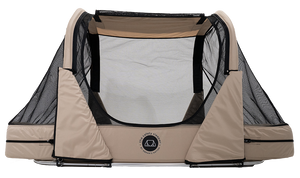
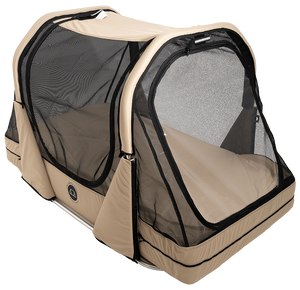
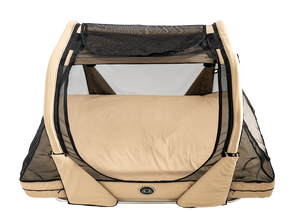
Transitioning to an enclosed safety bed, like The Safety Sleeper, is often a life-changing solution for families. The Safety Sleeper provides a fully enclosed, padded, and secure zippered space that prevents a child from wandering the house unsupervised.
Beyond just physical containment, the tent-like structure of The Safety Sleeper creates a cozy, low-distraction micro-environment. For a child who struggles to settle down, the enclosed space blocks out overwhelming visual stimuli and provides a profound sense of security, signaling to their brain that it is safe to finally rest.