











ADHD and Sleep Problems | The Safety Sleeper
For parents of children with Attention Deficit Hyperactivity Disorder (ADHD), bedtime is rarely a peaceful transition. Instead, it is often the most stressful part of the day, characterized by endless negotiations, sudden bursts of energy, and hours spent trying to convince a restless child to stay in bed.
The link between ADHD and sleep problems is not just behavioral; it is deeply biological. Up to 70% of children with ADHD suffer from mild to severe sleep disturbances. Understanding why your child’s brain fights sleep is the first step in creating a nighttime environment that finally allows your family to get some rest.
Table of Contents
Why ADHD Causes Sleep Disruptions
The very same neurological differences that cause hyperactivity and inattention during the day make falling asleep incredibly difficult at night. The primary biological culprits include:
- Delayed Circadian Rhythm: Many children with ADHD experience a "delayed sleep phase." Their bodies naturally release melatonin (the sleep hormone) 1 to 2 hours later than neurotypical children. You may be putting them to bed at 8:00 PM, but their brain chemically believes it is only 6:00 PM.
- The "Racing Mind": A hallmark of ADHD is difficulty filtering out thoughts. When the lights go out and daytime distractions disappear, the ADHD brain often kicks into overdrive. Children may feel overwhelmed by rapid-fire thoughts, anxieties, or a sudden urge to be creative.
- Sensory Processing Issues: Children with ADHD are frequently highly sensitive to environmental stimuli. The scratch of a blanket tag, the hum of an air conditioner, or a sliver of light from the hallway can be intensely distracting, preventing the brain from relaxing.
- Medication Rebound: Stimulant medications used to treat ADHD can interfere with sleep. If a dose is taken too late in the day, it acts as a chemical barrier to sleep. Conversely, when medication wears off in the evening, a "rebound effect" can occur, causing a sudden spike in hyperactivity right before bed.
The Most Common Nighttime Challenges
Because the ADHD brain struggles to self-regulate, sleep problems manifest in several disruptive ways:
- Sleep-Onset Insomnia: Lying awake for hours, physically unable to transition from wakefulness to sleep.
- Nighttime Wandering: The inability to stay physically contained in bed. Children may wander the house, play with toys, or seek out parents multiple times a night.
- Restless Sleep: Frequent tossing, turning, or thrashing, which leads to fragmented sleep and severe daytime fatigue (which paradoxically mimics hyperactivity the next day).
Strategies for Improving Nighttime Routines
Tackling ADHD and sleep problems requires structure, sensory management, and consistency.
1. Build a "Ramp Down" Routine
Because children with ADHD struggle with transitions, moving straight from playtime to bedtime often fails. Implement a 60-minute "ramp down" period. Turn off all blue-light-emitting screens, dim the household lights, and engage in low-dopamine activities like listening to an audiobook, taking a warm bath, or doing gentle stretching.
2. Manage the Sensory Environment
Audit the bedroom for sensory distractions. Use blackout curtains to eliminate outside light and a white noise machine to drown out household sounds. Ensure pajamas are seamless and bedding provides the right type of tactile feedback (some children prefer the deep pressure of a weighted blanket, while others need ultralight, breathable fabrics).
3. Review Medication Timing
If your child takes ADHD medication, track their sleep patterns and discuss them with their pediatrician. The doctor may adjust the dosage, change the timing of the afternoon pill, or recommend a low dose of melatonin to help reset their circadian rhythm.
4. Utilize an Enclosed Safety Bed
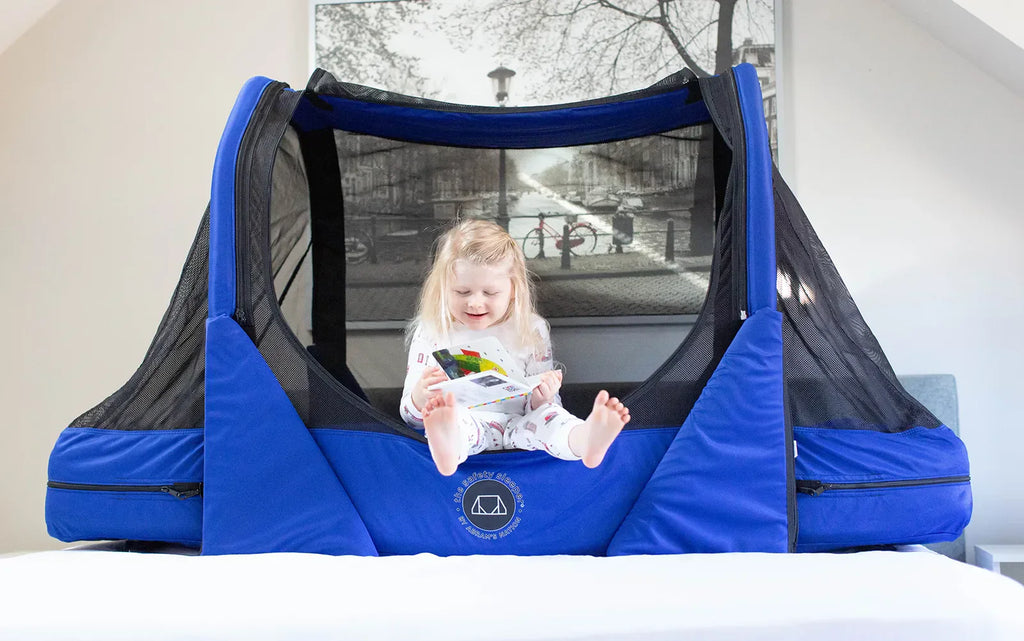
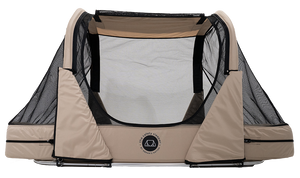
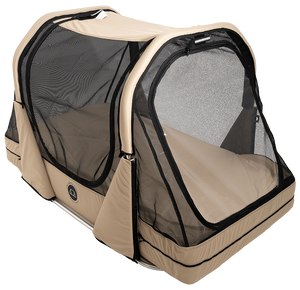
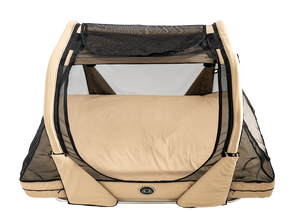
For children whose ADHD causes chronic nighttime wandering, restlessness, or an inability to stay in bed, standard beds offer too much freedom and too many distractions. Transitioning to an enclosed sleep system, like The Safety Sleeper, provides immediate physical and psychological boundaries.
The zippered, tent-like structure of The Safety Sleeper eliminates visual distractions in the bedroom, creating a cozy, low-stimulation environment that signals to the brain that it is time to rest. It physically prevents the child from getting up to pace or play, keeping them safely contained in a secure space until morning. For children overwhelmed by a large, open bedroom, this enclosed micro-environment often provides the profound sense of security needed to finally fall asleep.
The Safety Sleeper can provide a wonderfully soothing environment. Keep in mind: ADHD isn't considered a medical necessity for insurance coverage. We welcome your inquiries; please do give us a call.